
The Five Pillars of Islam: Foundations of
Faith and Practice
- Home
- Islamic Blogs
- Five Pillars
Islam is based on core principles that shape every aspect of a Muslim’s life. At the heart of this faith are the Five Pillars of Islam, which form the foundation of belief, worship, and ethical behavior. These pillars guide not only religious practices but also personal, social, and moral conduct in everyday life.
In this guide, we will explore the Five Pillars of Islam, discussing each one in detail to understand its significance and how it influences a Muslim’s daily life.
The Five Pillars of Islam are:

The Shahada, or Islamic declaration of faith, is written in Arabic as:
“أشهد أن لا إله إلا الله وأشهد أن محمدًا رسول الله”
Transliteration: “Ashhadu an la ilaha illallah, wa ashhadu anna Muhammadan rasulullah.”
This declaration affirms that Allah is the only God and Muhammad ﷺ is His final messenger. It is the first and most essential pillar of Islam. Reciting the Shahada signifies a Muslim’s devotion, separates believers from non-believers, and is recited both when converting to Islam and throughout daily life.
The Prophet ﷺ said:
“Islam is built on five: Shahadah, establishing prayer, paying zakat, fasting Ramadan, and performing Hajj to the House for those who can do so” (Narrated by Al-Bukhari and Muslim).
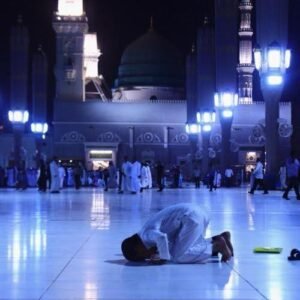
The second pillar, Salah, is the performance of five daily prayers at specific times:
Allah says:
“Indeed, prayer has been decreed upon the believers at specified times.” (An-Nisa: 103)
Salah nurtures mindfulness, discipline, and a closer connection with Allah, helping Muslims maintain spiritual balance throughout the day.

Zakat literally means “purification.” It is a compulsory form of charity, where Muslims give 2.5% of their accumulated wealth including cash, gold, and property to the needy.
Zakat purifies wealth, protects against greed, and strengthens social equality. The Prophet ﷺ said:
“Wealth never decreases because of charity.” (Muslim, 2588)
Allah states:
“The example of those who spend in the way of Allah is like a grain that produces seven ears, each ear having a hundred grains. Allah multiplies for whom He wills.” (2:261)
By giving Zakat, Muslims contribute to the welfare of their community while earning spiritual rewards.

During the holy month of Ramadan, Muslims observe sawm, refraining from food, drink, smoking, and other physical needs from sunrise to sunset.
Fasting cultivates patience, self-control, humility, and empathy for the less fortunate.
Allah commands:
“O you who have believed, fasting has been prescribed to you as it was prescribed to those before you, that you may attain righteousness.” (Al-Baqarah: 183)
Fasting is not just physical restraint; it is also spiritual purification, guiding Muslims toward righteous behavior.
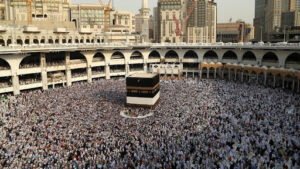
The Hajj is the pilgrimage to Masjid al-Haram in Mecca, required once in a lifetime for those who are physically and financially able. It fosters unity, equality, and submission to Allah.
During Hajj, pilgrims visit sacred locations such as Mina, Arafat, and Muzdalifah, engaging in rituals that bring profound spiritual transformation.
Allah commands:
“And Hajj to the House is a duty owed to Allah by mankind, for those who can afford the expenses.” (Al Imran: 97)
While all pillars are vital, Shahada is the most significant, as all other practices depend on faith. Salah follows closely, being the first action to be accounted for on the Day of Judgment. Zakat, fasting, and Hajj strengthen social responsibility, discipline, and spiritual growth.
Together, these pillars create a framework for a disciplined, compassionate, and spiritually fulfilling life.

Makkah2Madinah is a UK-registered travel agency serving pilgrims from Pakistan, the UK, and worldwide. We provide personalized Hajj and Umrah services, including:
For more details, explore our Islamic calendar and pilgrimage services.
For first-time pilgrims, understanding each step ensures a fulfilling experience:
For an in-depth guide, visit our Rabi al-Thani significance and Umrah tips.
The Five Pillars of Islam Shahada, Salah, Zakat, Sawm, and Hajj is the foundation of a Muslim’s life. They cultivate faith, discipline, unity, and compassion, guiding Muslims to lead spiritually enriched lives.
By practicing these pillars, Muslims deepen their connection with Allah and contribute positively to their communities worldwide.
Q1. What are the Five Pillars of Islam?
The Five Pillars are the core practices of Islam: Shahada (faith), Salah (prayer), Zakat (charity), Sawm (fasting in Ramadan), and Hajj (pilgrimage to Mecca for those able). They form the foundation of a Muslim’s spiritual and daily life.
Q2. Why is Shahada considered the most important pillar?
Shahada is the declaration of faith in Allah and Prophet Muhammad ﷺ. It is the foundation of Islam, as all other acts of worship depend on belief in the oneness of Allah and His messenger.
Q3. How many times a day should a Muslim pray?
Muslims are required to perform five daily prayers: Fajr, Dhuhr, Asr, Maghrib, and Isha. These prayers help maintain spiritual discipline and a connection with Allah.
Q4. Who is required to give Zakat?
Zakat is obligatory for Muslims who possess wealth above a certain threshold (Nisab). Typically, 2.5% of one’s savings, gold, or assets are donated annually to support the needy.
Q5. Who must observe Sawm (fasting)?
All adult Muslims are required to fast during Ramadan unless they are sick, pregnant, nursing, traveling, or otherwise unable. Fasting develops self-control, patience, and empathy.
Q6. What is Hajj and who must perform it?
Hajj is the pilgrimage to Masjid al-Haram in Mecca and is required once in a lifetime for Muslims who are physically and financially capable. It is a symbol of unity, equality, and devotion to Allah.
Q7. Can children participate in fasting during Ramadan?
Children are not required to fast until they reach puberty. However, they are encouraged to practice shorter fasts gradually to learn self-discipline and spirituality.
Q8. Can someone perform Hajj and Umrah together?
Yes, pilgrims can perform Umrah and Hajj together if they plan their visit according to the Hajj season. Both are important spiritual journeys with specific rituals.
Q9. How do the pillars influence daily life?
The Five Pillars provide guidance on faith, prayer, charity, self-discipline, and community unity. They shape ethical behavior, social responsibility, and spiritual growth in everyday life.
Q10. Where can I learn more about the Islamic calendar and rituals?
For detailed guidance on Islamic months, fasting, and pilgrimage dates, visit our Islamic Calendar guide.
TL; DR
The Five Pillars of Islam Shahada, Salah, Zakat, Sawm, and Hajj guide every Muslim’s religious and daily life. They promote faith, discipline, charity, self-control, and spiritual growth, providing a structured framework for meaningful living.